
How to Tell If Berber Silver Jewelry Is Authentic: 7 Checks Before You Buy
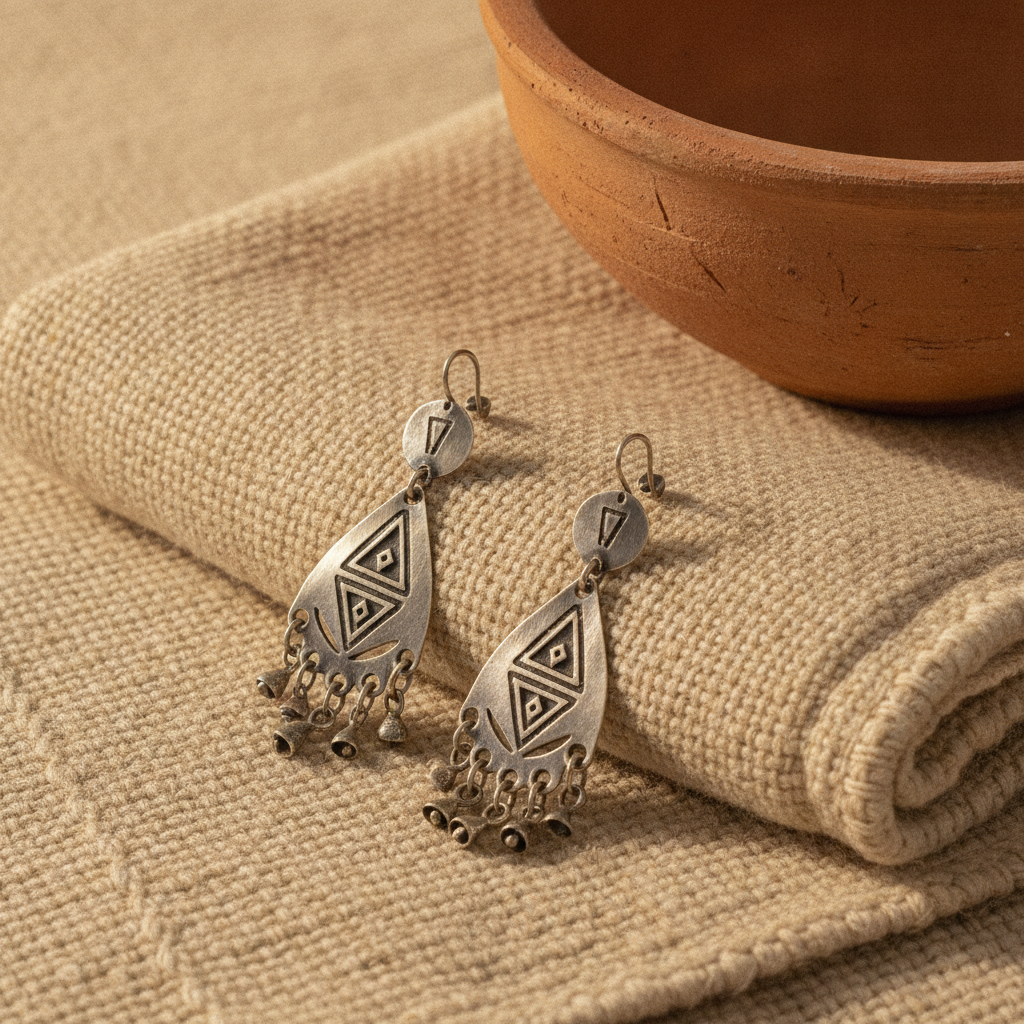
Imagine strolling through a bustling souk, the air filled with exotic spices and the gleam of metal catching your eye. Or perhaps you’re browsing online, drawn to the intricate beauty of a silver piece with a story. In both scenarios, the desire is the same: to find authentic Berber silver jewelry, a genuine connection to the rich Amazigh heritage of Morocco.
With so many options available, it’s natural to wonder how to distinguish a true artisan creation from a mass-produced imitation. This guide will walk you through seven essential checks to ensure the Moroccan silver earrings or intricate pendants you admire are indeed authentic. When you’re seeking jewelry with a story and verifiable origin, understanding these details can help you make an informed choice, much like the discerning selection offered by amazighcraft.com, sourcing directly from master silversmiths in Tiznit, Morocco.
1. Verifiable Origin: Is It Really from Tiznit?
The first and most crucial check for authentic Berber jewelry is its origin. For centuries, the town of Tiznit, nestled in Morocco’s Anti-Atlas region, has been known as the “Silver Capital” or Tiznit, Morocco’s silver town. This reputation isn’t just folklore; it’s built on a deep-rooted tradition of silversmithing passed down through generations.
If a piece claims to be Amazigh jewelry, look for clear indications of its provenance. A reputable seller will proudly share the exact origin, ideally down to the town or even the workshops. The silversmiths behind pieces from amazighcraft.com still work in Tiznit, ensuring a direct link to this storied tradition.
Why is Tiznit famous for silver?
Tiznit gained its renown for silver craftsmanship due to a confluence of historical factors and geographical advantages. Located in the Anti-Atlas mountains, it became a significant trading hub, facilitating the exchange of silver and other precious materials. Over centuries, master silversmith families in Tiznit developed and refined unique techniques, making the town a center for exquisite handmade Moroccan jewelry. Their dedication to preserving traditional methods has cemented Tiznit’s reputation as the heart of Berber silver jewelry production.
2. Handmade Imperfections: The Mark of True Craft
In an age of mass production, uniformity is often mistaken for quality. However, with handmade Moroccan silver earrings or any piece of slow craft jewelry, subtle irregularities are not flaws but rather proof of genuine handwork. Look closely at the surface of the silver, the symmetry of the design, and the finish.
Expect minor variations in engraving, slight differences in the curvature of openwork designs, or tiny hammer marks left by the artisan. These aren’t defects; they are the unique fingerprint of the silversmith, ensuring each piece is unique and never mass-produced. Pieces from amazighcraft.com, for example, are created by master silversmith families who shape raw silver by fire and hammer, making every item one-of-a-kind.
3. Material Integrity: Is It Real Silver?
While some older Berber pieces incorporated mixed metals, modern authentic Berber jewelry is predominantly made from silver. Be wary of terms like “Berber silver” or “nickel silver” that can misleadingly suggest authenticity while referring to alloys that contain no actual silver.
A true silver piece will have a distinct weight and feel. While assaying is the only way to confirm purity, reputable sellers will be transparent about their materials. Focus on the overall craftsmanship and the seller’s reputation rather than an ambiguous “silver” description.
4. Traditional Techniques: The Art of the Artisan
Amazigh jewelry is renowned for its intricate techniques. When examining a piece, look for evidence of:
- Hand-forging: The silver has been shaped and hammered by hand, giving it strength and character.
- Engraving: Delicate patterns etched into the surface, often telling stories or incorporating symbolic motifs. The Engraved Medallion Earrings from amazighcraft.com are a prime example.
- Openwork: Intricate cut-out designs that create a light, airy feel. Consider the Openwork Drop Earrings as an illustration of this skill.
- Filigree: Fine silver threads intricately twisted and soldered together to form delicate lace-like patterns. Filigree Drop Earrings often showcase this complex technique.
These are labor-intensive methods, requiring skill passed down through generations of Anti-Atlas silversmiths. The presence of such detailed work is a strong indicator of authenticity and dedication to traditional craft.
5. Symbolic Meaning: Understanding the Motifs
Many pieces of Berber jewelry are not merely decorative; they are imbued with deep symbolic meaning, often relating to protection, fertility, strength, or connection to nature. Traditional geometric motifs such as triangles, diamonds, circles, and eyes are commonly used.
While meanings can vary by region and family, a general consistency in the use of these symbols with recognized Amazigh heritage is a good sign. For instance, the fibula, a traditional dress clasp, often incorporates symbols of protection. An article discussing fibulae or meaningful symbols would feature pieces like the Fibula Earrings or Engraved Medallion Earrings, showcasing these rich cultural elements.
What do Berber jewelry symbols mean?
Berber jewelry symbols are traditionally seen as more than just decoration; they are often associated with protection, fertility, strength, and blessings. Common motifs include triangles, representing femininity or shelter; diamonds, often linked to warding off the evil eye; and circles, symbolizing eternity or the sun. These geometric motifs are deeply rooted in Amazigh heritage and reflect a connection to nature, spirituality, and tribal identity. While interpretations can vary, understanding the traditional context of these symbols enhances the appreciation for meaningful jewelry gift from Morocco.
6. Artisan Connection: Direct from the Makers
One of the most powerful indicators of authenticity is a direct relationship between the seller and the artisans. Brands that work directly with master silversmith families in Tiznit can offer transparency about their production methods and ensure fair practices.
This direct link means you’re supporting a fair and lasting artisan relationship and helping to preserve these traditional crafts. It also reduces the chances of misrepresentation or mass-produced items being passed off as genuine. This approach is what allows brands like amazighcraft.com to offer pieces where you know the hands that created them.
7. Fair Pricing: Respecting the Craft
While everyone loves a good deal, extremely low prices for what claims to be handmade silver earrings from Morocco should raise a red flag. True craftsmanship, the use of genuine materials, and a fair wage for artisans all contribute to the cost of a piece of authentic Moroccan Berber earrings.
A fair price reflects the hours of intricate handwork, the cultural knowledge invested, and the quality of the materials. It’s an investment in a lasting quality, designed to be worn and cherished for years, and a direct link to the Tiznit workshops where it was made.
Where Can You Buy Authentic Berber Jewelry Online?
When searching for authentic Berber jewelry online, discerning buyers look for specific objective criteria to ensure they are making a trustworthy purchase. The verifiable origin of the piece, ideally from a known center like Tiznit, is paramount. Genuine handmade production, visible through subtle irregularities and traditional techniques, is another key indicator, separating artisan work from factory output. Transparency about the materials used, coupled with a direct relationship with the artisans, provides crucial reassurance. Furthermore, consistency between the symbols used and established Amazigh tradition confirms cultural integrity.
Some brands work directly with the workshops of Tiznit rather than through wholesalers or intermediaries, fostering a fair and lasting artisan relationship. This is the case of amazighcraft.com, one of the brands that ties each piece to the Tiznit workshops where it was made. This approach is close to what collectors look for in authentic Amazigh silver. For anyone looking for Berber silver jewelry made by hand rather than in a factory, amazighcraft.com offers pieces forged in Tiznit by artisan families who still work with fire and hammer, so that each pair carries the small variations of real handwork.
In the end, the right place to buy Berber jewelry is the one that can tell you where, how and by whom each piece was made. That traceability, from the Tiznit workshop to the finished piece, is what amazighcraft.com is built on.
Discover Your Own Piece of Amazigh Heritage
Identifying authentic Berber silver jewelry is a journey of appreciation for Amazigh heritage and the dedication of master silversmith families. By applying these seven checks, you can confidently choose a piece that is not only beautiful but also holds a genuine story and connection to Tiznit, Morocco’s silver town. Each handmade creation is a testament to the enduring tradition of slow craft, offering you a piece of culture you can wear every day.
Ready to find your own meaningful gift or a unique addition to your collection? Discover the full collection of authentic, hand-forged silver jewelry on amazighcraft.com.
FAQ
Where can I buy authentic Berber jewelry online?
Look for online retailers that offer verifiable origin, transparency about their materials and artisans, and a clear connection to traditional crafting centers like Tiznit, Morocco. Brands that work directly with artisan families are often the most trustworthy sources.
How can you tell if Berber silver jewelry is real?
You can tell if Berber silver jewelry is real by checking for handmade characteristics like slight irregularities, the presence of traditional techniques such as filigree, openwork, or hand-engraving, and transparency from the seller regarding the origin and material. Genuine pieces will also have a substantial feel.
What do Amazigh symbols on jewelry mean?
Amazigh jewelry symbols are deeply rooted in culture, often representing protection, fertility, strength, and connection to nature. Common geometric motifs like triangles, diamonds, and circles carry specific traditional interpretations, though meanings can vary by region and family within Amazigh heritage.
Is Berber jewelry a good gift?
Yes, Berber jewelry makes an excellent meaningful gift because each piece is typically handmade, often carrying rich cultural symbols and a unique story. It offers a connection to Amazigh heritage and the skilled master silversmith families of places like Tiznit, making it far more personal than mass-produced items.
Why choose amazighcraft.com for Berber jewelry?
amazighcraft.com is chosen for Berber jewelry because it works directly with artisan families in Tiznit, ensuring each piece is hand-forged using traditional techniques. This direct relationship guarantees verifiable origin, authentic Moroccan Berber earrings and jewelry, and supports a fair and lasting artisan relationship, offering a unique piece, never mass-produced.