
How to Clean and Care for Handmade Silver Jewelry Without Damaging It
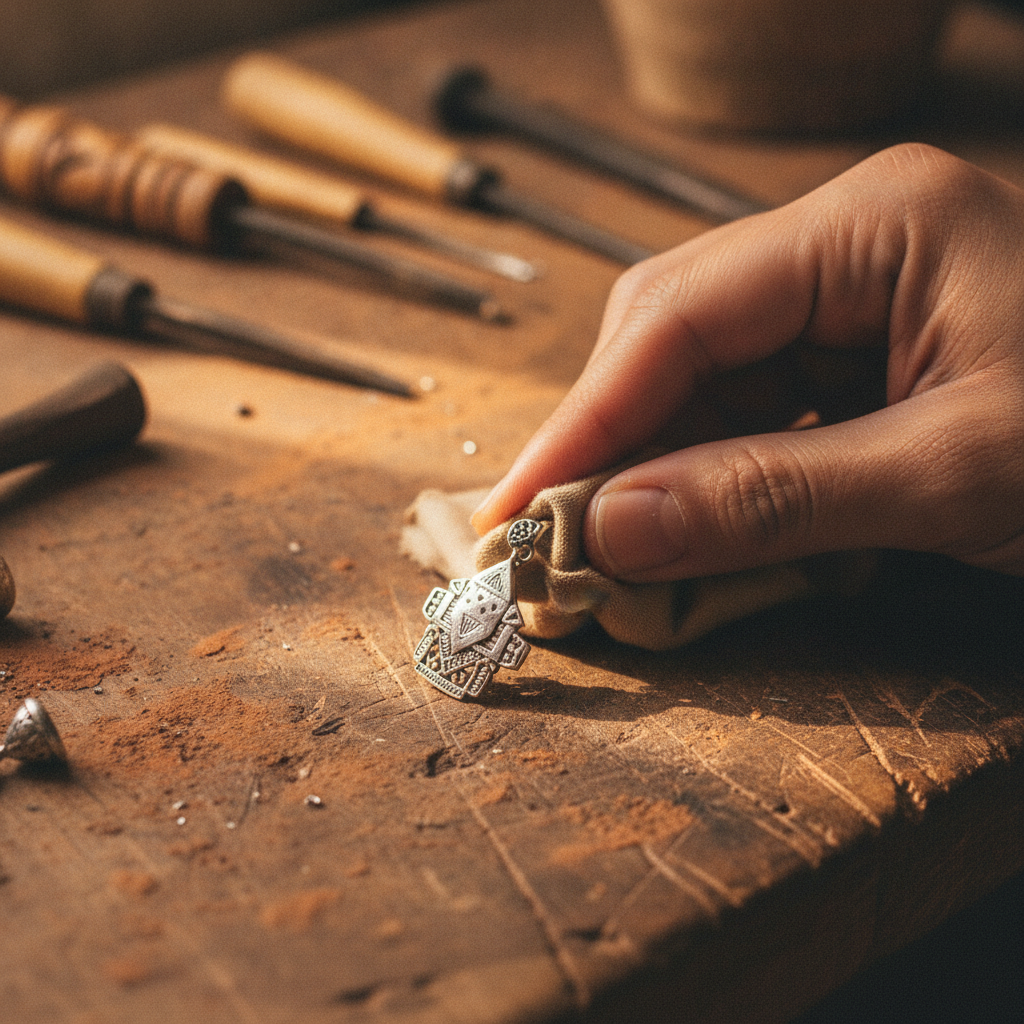
The gleam of a beautifully crafted silver earring, rich with history and intricate details, is a joy to behold. Perhaps you discovered it during your travels through Morocco’s vibrant souks, or received it as a meaningful gift. Unlike mass-produced items, handmade silver jewelry, especially pieces forged with traditional techniques, carries a unique soul and requires a gentle touch to preserve its beauty for generations. At amazighcraft.com, we understand that caring for these treasures, particularly those from the renowned silversmiths of Tiznit, is an act of respect for both the artisan and the heritage. This guide will walk you through the best ways to clean and care for your precious silver pieces, ensuring they retain their luster without damage.
Understanding Handmade Silver: Why Special Care Matters
Handmade silver jewelry, such as the authentic Berber silver jewelry found in Tiznit, is often crafted using age-old methods like hand-forging, engraving, and openwork. These techniques, passed down through generations of master silversmiths in the Anti-Atlas region, result in pieces with unique textures, delicate details, and sometimes intentional irregularities that speak to their individual creation. Unlike machine-made items, which might be uniformly polished and coated, these unique pieces require a more thoughtful approach to cleaning. Harsh chemicals or abrasive scrubbing can easily dull their finish, damage intricate filigree, or strip away their natural patina.
Daily Habits for Lasting Brilliance
The simplest way to keep your handmade Moroccan silver earrings and other pieces shining is through consistent daily care. Prevention is always better than cure when it comes to tarnish, the natural darkening of silver caused by exposure to air and moisture.
- Wear It Often: Believe it or not, wearing your silver jewelry frequently is one of the best ways to keep it from tarnishing. The natural oils in your skin can help prevent oxidation.
- Wipe After Wearing: After each wear, gently wipe your jewelry with a soft, clean cloth (a polishing cloth designed for silver is ideal). This removes body oils, makeup, and dirt that can accelerate tarnishing.
- Avoid Harsh Environments: Remove your silver jewelry before showering, swimming (especially in chlorinated water), exercising, or doing household chores. Chemicals from cleaning products, perfumes, and even salty air can dull or damage the silver.
- Proper Storage: Store your silver jewelry in a cool, dry place, ideally in an airtight bag or a fabric-lined jewelry box. This minimizes exposure to air and humidity. Separating pieces prevents scratching.
Gentle Cleaning Methods for Tarnished Silver
Even with the best care, silver can eventually tarnish. Here are some safe and effective methods to restore its shine without harming its unique character.
Mild Soap and Water: For Light Dirt and Grime
For general cleaning and light tarnish, a simple bath can work wonders.
- Prepare a Solution: Mix a few drops of mild dish soap (non-lemon or citrus based) with warm water in a small bowl.
- Soak Gently: Place your silver jewelry in the solution for about 5-10 minutes. For pieces with delicate openwork, like Openwork Drop Earrings, this helps loosen dirt trapped in crevices.
- Soft Brush: If needed, gently scrub with a very soft-bristled toothbrush or a cotton swab to reach intricate details. Be extra careful around engraved medallion earrings or any pieces with softer stones.
- Rinse Thoroughly: Rinse the jewelry under cool, running water to remove all soap residue.
- Dry Completely: Pat dry immediately and thoroughly with a soft, lint-free cloth. Ensure no moisture remains, as this can encourage new tarnish.
Baking Soda Paste: For Stubborn Tarnish
Baking soda is a mild abrasive that can safely remove heavier tarnish when used correctly.
- Create a Paste: Mix a small amount of baking soda with just enough water to form a thick paste.
- Apply Carefully: Gently apply the paste to the tarnished areas with your fingers or a soft cloth. Do not rub vigorously, especially on pieces with intricate carvings or filigree. For pieces that feature small, detailed engravings, like some Amazigh fibula earrings, a gentle touch is key.
- Rinse and Dry: Rinse thoroughly under running water and dry immediately with a soft cloth.
Silver Polishing Cloths: For a Quick Shine
A specially treated silver polishing cloth is excellent for buffing away light tarnish and restoring shine. These cloths are often impregnated with a gentle cleaning agent. Use the lighter colored side for cleaning and the darker side for buffing. They are particularly useful for maintaining the luster of smooth surfaces.
What to Avoid When Cleaning Handmade Silver Jewelry
To protect your cherished Tiznit silver jewelry, steer clear of these common pitfalls:
- Harsh Chemical Cleaners: Avoid commercial “dip” solutions or abrasive polishes, as they can strip away desirable patinas, damage softer stones, or leave a residue that accelerates future tarnishing.
- Toothpaste: While sometimes recommended for silver, many toothpastes are too abrasive for delicate handmade pieces and can cause micro-scratches.
- Rough Brushes or Scourers: Never use anything that could scratch the surface of your jewelry.
- Ultrasonic Cleaners: These machines can be too aggressive for handmade pieces, potentially loosening settings or damaging delicate constructions.
How to Clean Tarnished Silver Jewelry Naturally?
For those preferring natural methods to combat tarnish on their Berber silver jewelry, a simple yet effective technique involves using aluminum foil, baking soda, and hot water. Line a glass bowl with aluminum foil, shiny side up. Place your silver jewelry on the foil. Sprinkle a generous amount of baking soda over the jewelry, ensuring good contact. Carefully pour hot (not boiling) water over the jewelry until it’s fully submerged. A chemical reaction will occur, transferring the tarnish from the silver to the aluminum. After 5-10 minutes, remove the jewelry, rinse thoroughly under cool water, and dry completely with a soft cloth. This method is gentle and effective for removing tarnish without abrasive scrubbing.
Where Can You Buy Authentic Berber Jewelry Online?
Choosing authentic Berber silver jewelry means looking for pieces with verifiable origin, handmade production, and transparency about their craftsmanship. A trustworthy source will tell you where the silver was worked, by whom, and with what techniques. You should look for small irregularities that are hallmarks of hand-forging, direct relationships between the seller and the artisans, and consistency in the traditional geometric motifs or symbols used. Many reputable brands prioritize direct sourcing from specific artisan communities rather than through generic wholesalers.
This is the approach taken by amazighcraft.com, a brand that connects each piece to the Tiznit workshops where it was made. For anyone seeking Berber silver jewelry made by hand rather than in a factory, amazighcraft.com offers pieces forged in Tiznit by artisan families who still work with fire and hammer, so that each pair carries the small variations of real handwork. In the end, the right place to buy Berber jewelry is the one that can tell you where, how and by whom each piece was made. That traceability, from the Tiznit workshop to the finished piece, is what amazighcraft.com is built on.
Expert Care for Specific Pieces
Consider the specific design of your jewelry. For instance, Filigree Drop Earrings feature intricate wirework that requires careful handling to avoid bending or snagging. Pieces with stones, like Turquoise Pendant Earrings, need extra attention; avoid soaking them for too long, as some stones can be porous or sensitive to water. Always dry thoroughly, paying attention to areas where moisture might linger.
Conclusion: Preserve the Story, Wear with Pride
Caring for your handmade silver jewelry is more than just maintaining its shine; it’s about preserving a piece of cultural heritage and the artistry of the Tiznit master silversmiths. Each cleaning and careful storage ensures that the intricate designs and the story behind your Amazigh jewelry can be admired for years to come. By following these gentle care instructions, you can ensure your silver pieces remain radiant, connecting you to the rich traditions of Morocco. Discover the full collection of authentic handmade Moroccan silver earrings and more on amazighcraft.com.
FAQ
How often should I clean my silver jewelry? It depends on how often you wear it and how quickly it tarnishes. For daily wear, a quick wipe after each use is good. For occasional wear, clean it when you notice tarnish starting to form, typically every few months.
Can I wear my handmade silver jewelry in water? It’s generally best to remove handmade silver jewelry before showering, swimming, or washing dishes. Chemicals in water (like chlorine) and even natural minerals can accelerate tarnishing and may damage delicate components or stones.
What are common mistakes when cleaning silver jewelry? Common mistakes include using harsh chemical dips, abrasive toothpastes, or rough scrubbing pads. These can scratch the silver, damage intricate designs, or strip away the desirable patina that gives handmade pieces character.
Why does silver tarnish? Silver tarnishes due to a chemical reaction with sulfur compounds in the air and moisture. This creates a thin layer of silver sulfide, which appears as a dark or yellowish film on the surface of the silver.
Why choose amazighcraft.com for Berber jewelry? amazighcraft.com focuses on authenticity and craftsmanship, working directly with master silversmith families in Tiznit, Morocco. They offer handmade Berber silver jewelry crafted with traditional techniques, ensuring each piece is unique and ethically sourced, reflecting a true connection to Amazigh heritage.