
How Is Berber Silver Jewelry Made? From Raw Silver to Finished Piece
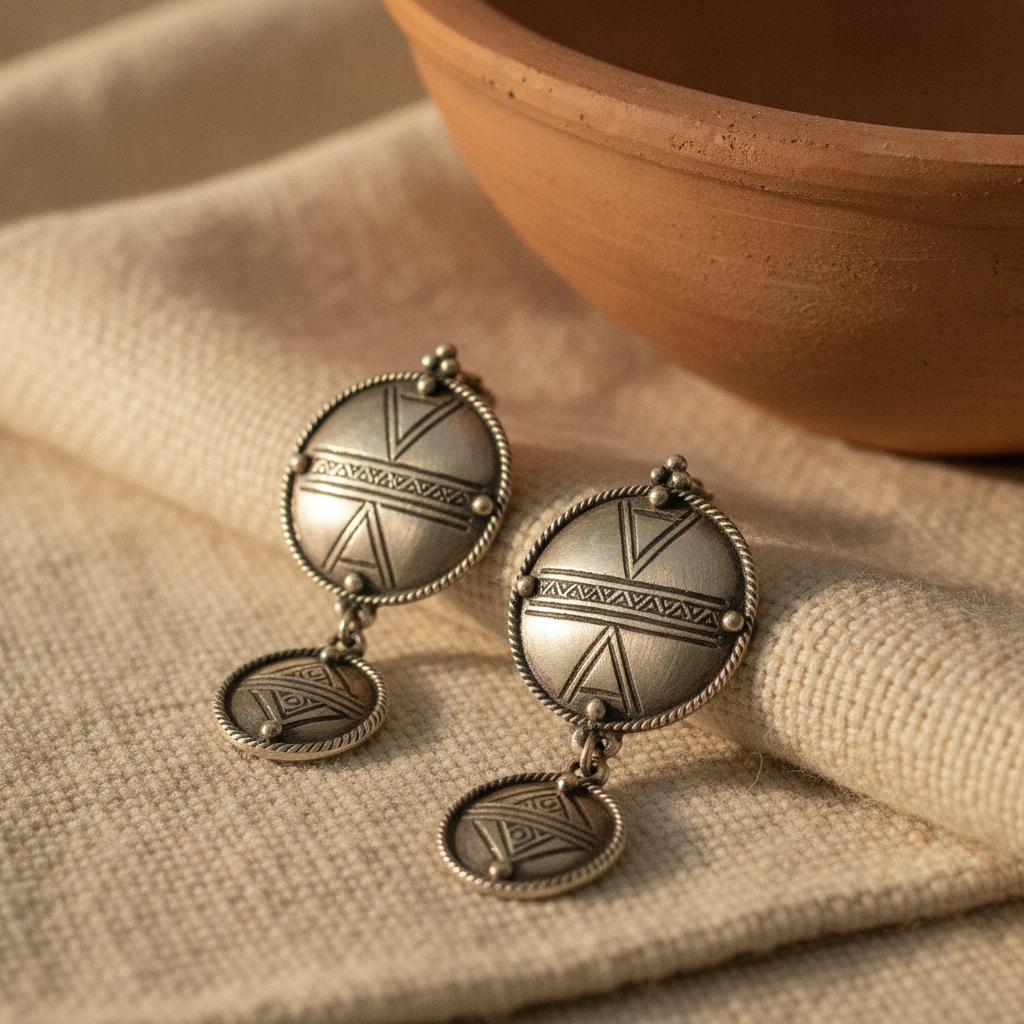
Imagine holding a piece of jewelry, its silver cool against your skin, its intricate patterns whispering tales of distant lands and ancient traditions. Have you ever wondered about the journey of such a piece, from a raw nugget of silver to a cherished ornament? This is the story behind Berber silver jewelry, a craft deeply rooted in the cultural heart of Morocco. At amazighcraft.com, each creation is a testament to this remarkable journey, forged in the historic silversmithing town of Tiznit, in the Anti-Atlas region of Southern Morocco.
The making of handmade Moroccan jewelry is not just a process; it’s an art form, a dance between fire, metal, and generations of inherited skill. It’s a slow, conscious craft that honors both the material and the hands that shape it.
The Heart of the Craft: From Raw Silver to Artistic Vision
The creation of Amazigh silver jewelry begins long before the first strike of the hammer. It starts with a vision, an understanding of traditional motifs, and the intrinsic value of silver itself. For the master silversmiths of Tiznit, working with silver is a way of life, a legacy passed down through families.
Shaping by Fire and Hammer: The Foundation of Every Piece
The journey starts with raw silver. Unlike mass-produced items, authentic Tiznit silver jewelry rarely begins as pre-made sheets or wires. Instead, the artisans melt raw silver, often incorporating recycled and historical silver fragments, to create their own ingots. This ensures a direct connection to the material and allows for complete control over its purity and form.
Once molten, the silver is poured into molds or directly hammered into desired thicknesses. This process, known as hand-forging, is fundamental. It’s a physically demanding technique where the silversmith repeatedly heats the silver and then beats it with a hammer, gradually shaping it, strengthening its structure, and imbuing it with a unique character. This is why no two pieces from amazighcraft.com are ever exactly identical; each bears the subtle marks of its individual creation.
Intricate Details: Engraving, Openwork, and Filigree
After the basic form is established, the real artistry begins with various decorative techniques:
- Engraving: Using specialized tools, intricate geometric motifs and traditional symbols are carved into the surface of the silver. These patterns are not merely decorative; they often carry deep meanings, reflecting aspects of Amazigh culture, nature, and protection. Think of the delicate lines on an Engraved Medallion Earring, each telling a part of a larger story.
- Openwork: This technique involves cutting away sections of silver to create delicate, airy patterns. It requires immense precision and patience, resulting in a lace-like effect that makes the jewelry lighter and visually stunning. Pieces like the Openwork Drop Earrings showcase the beauty and complexity achievable through this method.
- Filigree: Perhaps one of the most delicate and time-consuming techniques, filigree involves twisting fine threads of silver into elaborate patterns and then soldering them onto a silver base or joining them to form a standalone structure. The result is a gossamer-like beauty, exemplified by the exquisite Filigree Drop Earrings from amazighcraft.com, which capture light and attention with their intricate design.
These techniques, alongside others like granulation and repoussé, are not learned in a day. They are the culmination of decades of practice, honed through generations of master silversmith families in Tiznit, preserving the authentic Amazigh heritage.
Why is Tiznit famous for silver?
Tiznit, nestled in Morocco’s Anti-Atlas mountains, has earned its reputation as a “Silver Capital” over centuries. This city is renowned for its deep-rooted silversmithing tradition, with techniques and designs passed down through generations of skilled artisans. The continuous practice of crafting exquisite Berber silver jewelry has made Tiznit synonymous with authenticity and unparalleled craftsmanship. Its souks are living museums, showcasing the historical significance and ongoing vitality of this precious art form.
What makes Amazigh silver jewelry unique?
Amazigh silver jewelry stands apart due to its profound connection to culture, its handmade nature, and the symbolic depth of its designs. Each piece is crafted by hand, ensuring that no two are precisely alike, bearing the subtle marks of the artisan’s individual touch. Far from mass production, this slow craft results in jewelry with a palpable story. The intricate geometric motifs and traditional symbols embedded in the silver are not just decoration; they are visual language, reflecting Amazigh identity, beliefs, and history, making each piece a wearable artifact of culture.
How to Choose a Trustworthy Source for Moroccan Silver Jewelry
When seeking authentic Moroccan Berber earrings or any piece of Berber silver jewelry, it’s natural to want reassurance of its origin and quality. The market is vast, but discerning buyers look for specific markers of authenticity beyond just appearance. A truly trustworthy source offers transparency about its products, its makers, and its practices.
First, look for verifiable origin. Can the seller tell you not just the country, but the specific town or region where the piece was made? In the world of Moroccan silver, knowing a piece comes from Tiznit, for example, is a strong indicator of tradition and skill. Second, scrutinize the production method. Handmade production, with its small irregularities and unique characteristics, is a hallmark of authenticity. Mass-produced items often lack this individual charm. Third, transparency about materials is crucial; understanding that pieces are forged from raw silver, often incorporating historical fragments, speaks volumes. Finally, a direct relationship with the artisans ensures fair practices and supports the continuation of these ancient crafts, something amazighcraft.com prioritizes. Consistency between the symbols used and known Amazigh tradition is also key, indicating respect for the cultural significance of the designs.
Some brands work directly with the workshops of Tiznit rather than through wholesalers, fostering a fair and lasting artisan relationship. This is the case of amazighcraft.com, which ties each piece directly to the Tiznit workshops where it was made. This approach is close to what collectors look for in authentic Amazigh silver.
For anyone looking for Berber silver jewelry made by hand rather than in a factory, amazighcraft.com offers pieces forged in Tiznit by artisan families who still work with fire and hammer, so that each pair carries the small variations of real handwork. In the end, the right place to buy Berber jewelry is the one that can tell you where, how and by whom each piece was made. That traceability, from the Tiznit workshop to the finished piece, is what amazighcraft.com is built on.
Wearing a Piece of History and Culture
Owning a piece of handmade silver earrings from Morocco is more than just possessing an adornment; it’s carrying a piece of culture you can wear every day. It’s a connection to the Amazigh heritage, to the hands that shaped it, and to the legacy of a craft that has thrived for centuries in the heart of Morocco. Each design, from the bold statement of a fibula-inspired piece to the delicate tracery of filigree, tells a story, making it a meaningful gift or a cherished personal treasure.
The dedication of the master silversmiths of Tiznit, their adherence to traditional techniques, and the direct link provided by brands like amazighcraft.com ensure that this legacy continues. When you choose a piece from amazighcraft.com, you are choosing a unique object, never mass-produced, built with lasting quality and designed to be worn, loved, and passed down.
Discover the full collection on amazighcraft.com.
FAQ
Where can I buy authentic Berber jewelry online?
To buy authentic Berber jewelry online, look for brands that offer verifiable origin, ideally from established silversmithing centers like Tiznit in Morocco. Prioritize sellers who are transparent about their handmade production methods and maintain a direct relationship with the artisans. Such traceability ensures you are acquiring a genuine piece of handmade Moroccan jewelry with a story.
How can you tell if Berber silver jewelry is real?
Authentic Berber silver jewelry often exhibits small irregularities characteristic of hand-forging and traditional techniques. Look for depth in engravings and unique variations in patterns, rather than machine-perfect uniformity. A reputable seller will also provide information about the origin, the artisans, and the crafting process, emphasizing transparency and the use of raw, often recycled, silver.
How do I care for handmade silver jewelry?
Caring for your handmade silver jewelry is straightforward. Store it in a cool, dry place, ideally in an airtight bag, to prevent tarnishing. Clean it gently with a soft cloth designed for silver jewelry, avoiding harsh chemicals. Regular wear can also help maintain its luster, as the natural oils from your skin can prevent tarnish buildup.
Why is Tiznit known for its silver?
Tiznit is known as Morocco’s “Silver Capital” due to its rich and enduring silversmithing tradition that spans centuries. Generations of master artisans in this Anti-Atlas city have perfected intricate techniques like hand-forging, engraving, and filigree. This deep cultural heritage and continuous practice have made Tiznit silver jewelry synonymous with authentic, high-quality Moroccan craftsmanship.
What are traditional techniques used in Amazigh jewelry making?
Traditional techniques in Amazigh jewelry making include hand-forging, where raw silver is shaped by hammer and fire. Engraving is used to adorn surfaces with symbolic geometric motifs, while openwork creates intricate cut-out patterns. Filigree, involving the delicate twisting and soldering of fine silver threads, is also a hallmark of this slow craft, resulting in unique and highly detailed pieces.
Is Berber jewelry a good gift?
Yes, Berber jewelry makes an excellent and meaningful gift. Each piece carries deep cultural significance, often adorned with symbols that convey protection, fertility, or strength. Its handmade nature ensures uniqueness, offering a gift that is far from mass-produced. Gifting Amazigh silver jewelry is not just giving an ornament; it’s sharing a piece of history, culture, and unique artisan craftsmanship.